
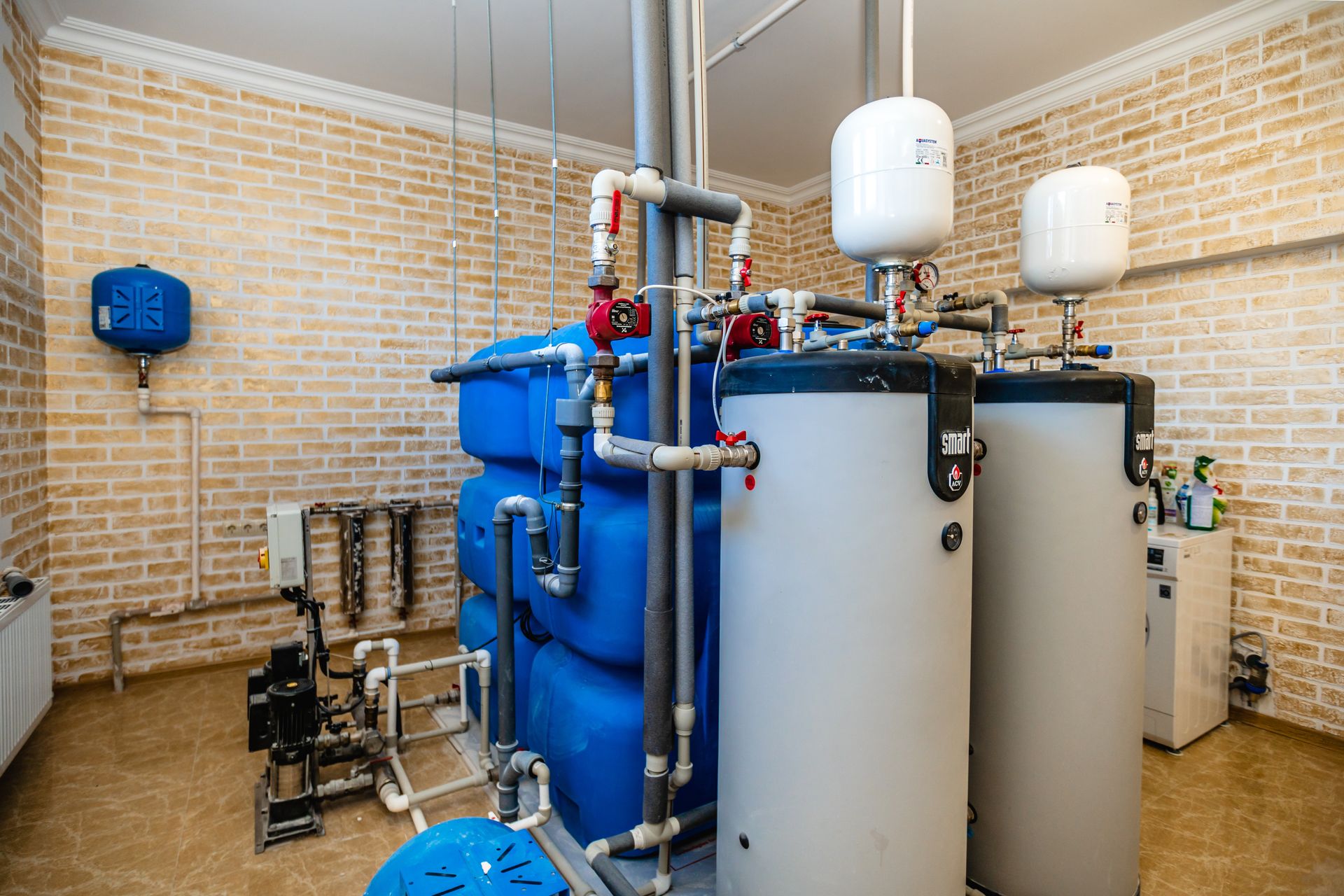
Maintain Steady Pressure and Reduce Pump Cycles
Pressure Tank Installation and Replacement in Lubbock for short cycling, pressure fluctuations, or worn-out bladder tanks
Zar's Pump & Drilling Service installs and replaces pressure tanks to maintain consistent water pressure and protect your pump from excessive wear. You need this when your pump turns on every time a faucet opens, when pressure swings noticeably between the cut-in and cut-out settings, or when the tank shell shows rust or the bladder has failed and allowed water to fill the air chamber. A properly functioning pressure tank stores water under pressure and allows the pump to rest between cycles instead of starting and stopping dozens of times per day.
Installation begins with sizing the tank to match your pump output and household demand, then mounting it near the wellhead or inside a pump house where it remains accessible for future service. Technicians connect the tank to the main line with a tee fitting, install a pressure gauge, and set the air precharge to the correct level based on your system's cut-in pressure. In this region, tanks are often installed indoors or in insulated enclosures to prevent freezing during winter cold snaps.
Arrange for tank replacement when your current unit no longer holds pressure or when your pump runs far more often than it should.
Sizing and Installing Tanks That Match System Demand
You receive a pressure tank sized to provide adequate draw-down volume so your pump runs for at least one minute per cycle, which prevents motor overheating and extends pump life. Technicians calculate tank size based on pump flow rate, the pressure differential between cut-in and cut-out, and the number of fixtures or irrigation zones that may run simultaneously.
After installation, your water pressure remains stable during normal use, the pump cycles less frequently, and you hear fewer abrupt pressure changes when faucets are opened or closed. Zar's Pump & Drilling Service ensures the tank is mounted securely on a concrete pad or structural base and that all fittings are sealed to prevent leaks at the connection points.
Technicians also check the pressure switch settings and adjust them if necessary to match the new tank's precharge and capacity. Undersized tanks cause the pump to short-cycle, while oversized tanks waste space and cost without improving performance. Bladder-type tanks eventually lose air charge or develop leaks, and both conditions require full replacement rather than repair.
Pressure Tank Questions From Property Owners
Homeowners and landowners in Lubbock frequently ask how to tell when a tank is failing and what size they actually need.
What size pressure tank do I need for a home with two bathrooms?
A typical residential system with moderate demand works well with a tank in the range of twenty to forty gallons, depending on pump output and how many fixtures run at once.
How can I tell if my pressure tank bladder has failed?
When the bladder fails, water floods the air chamber and the tank becomes waterlogged, causing the pump to cycle rapidly and the pressure gauge to show erratic readings.
When should I replace a pressure tank instead of recharging the air?
You should replace the tank if the bladder is ruptured, if the shell is corroded, or if the tank repeatedly loses precharge despite multiple adjustments.
Why does my pump run every time I turn on a faucet even briefly?
This indicates the tank has lost its air charge or the bladder has failed, so the tank no longer stores pressurized water and the pump must start immediately to meet any demand.
What is the correct air pressure setting for a pressure tank?
The air precharge should be set two to four pounds per square inch below the pump's cut-in pressure, which allows the bladder to expand and contract properly during each cycle.
Call Zar's Pump & Drilling Service to discuss pressure tank installation or replacement and restore balanced, efficient operation to your water system.