
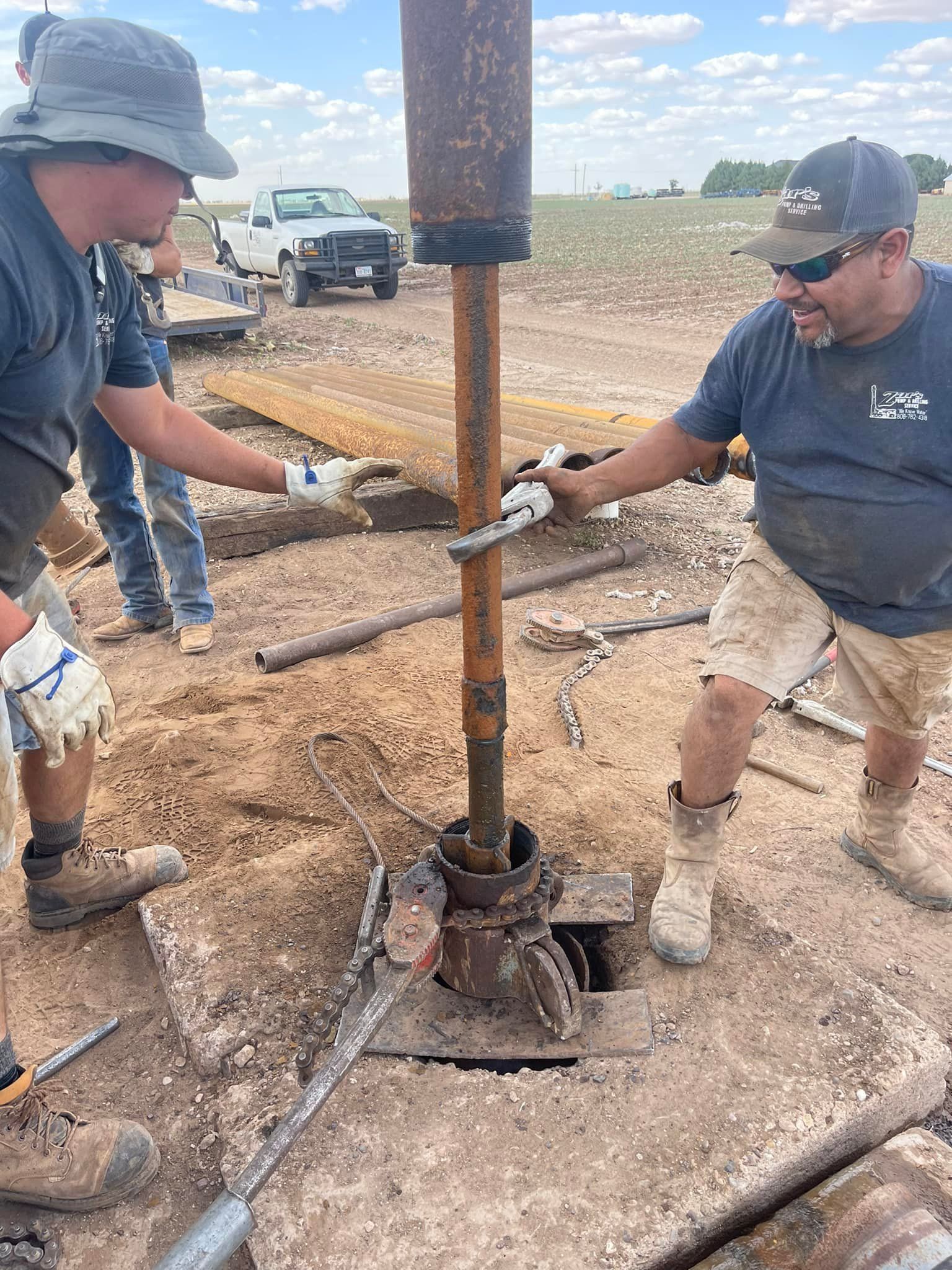
Reliable Water Access Starts Below Ground
Water Well Drilling in Lubbock for properties needing independent water supply where municipal lines do not reach
Zar's Pump & Drilling Service provides water well drilling for residential, agricultural, and ranch properties throughout Lubbock and surrounding areas where municipal water is unavailable or impractical. You might need a well if your home sits beyond city water service, your farm requires a dedicated irrigation source, or your ranch depends on consistent livestock watering. The caliche layers and variable depths common to West Texas require specialized drilling equipment and local experience to reach dependable aquifers.
The drilling process begins with site evaluation to assess soil composition, estimated water depth, and optimal placement for access and future maintenance. In this region, bedrock and dense caliche formations influence drilling methods, and depth can vary significantly within short distances. Once the site is prepared, the drilling rig bores through layers of sediment and rock until reaching a productive water-bearing zone, then casing is installed to stabilize the borehole and prevent contamination from surface runoff or shallow groundwater.
If you are planning a new build, expanding agricultural operations, or looking to reduce reliance on municipal supply, reach out to discuss site conditions and drilling estimates specific to your location.
What Happens After the Rig Leaves Your Property
After drilling is complete, you will have a functioning well equipped with proper casing, grout seal, and cap to protect the water source from contamination. The wellhead sits at ground level or slightly above, and the system is ready for pump installation and connection to your home, barn, or irrigation network. Depending on your water usage needs, the well can supply everything from household taps to pivot irrigation systems covering hundreds of acres.
Zar's Pump & Drilling Service follows safety standards throughout the project, including equipment setup, drilling operation, and site cleanup. You will notice cleared access paths, stable ground around the wellhead, and no drilling fluid or debris left behind. The timeline from site evaluation to completed well typically spans several days, depending on depth, soil conditions, and weather, though most residential wells in the Lubbock area reach water within a predictable range based on local geology.
Proper drilling technique and casing installation prevent issues such as sand infiltration, casing collapse, or cross-contamination between aquifer layers. The well should produce clear water at a consistent rate once the pump is installed and the system is tested. If your property requires a backup water source or you are developing land without existing infrastructure, drilling a private well provides long-term access without monthly utility bills or usage restrictions.
What to Know Before Drilling Begins
Property owners often have questions about the drilling process, costs, and what to expect once the well is in use. These answers cover the most common concerns for those considering a new water well in Lubbock and surrounding areas.
What determines how deep your crew drills?
Depth depends on where the aquifer sits beneath your property, which varies across the region due to geological differences. In West Texas, residential wells often reach water between 100 and 300 feet, but agricultural wells may go deeper to access higher-yield zones.
How long does the drilling process take from start to finish?
Most residential wells are completed within two to four days, including site prep, drilling, casing installation, and cleanup. Larger agricultural projects or wells requiring greater depth may take longer depending on rock formations and equipment access.
Why does soil composition in Lubbock affect drilling methods?
Caliche and limestone layers are common in this area and require rotary drilling equipment capable of penetrating dense rock. Softer sediment layers may drill faster, but hitting hard formations midway through the bore is routine and requires specialized bits and techniques.
What happens if the first drilling site does not produce adequate water?
Site evaluation reduces this risk, but if initial results are insufficient, the crew may deepen the existing bore or relocate based on geological indicators. You will be informed of options before additional work begins.
When should you plan drilling if you are building a new home or barn?
Schedule drilling after site clearing and grading but before pouring foundations or installing landscaping, so equipment can access the site easily and the wellhead location can be integrated into your layout without obstruction.
If you are ready to move forward or need a site assessment to determine feasibility and cost, contact Zar's Pump & Drilling Service to arrange a consultation and receive a drilling estimate tailored to your property and water needs.