Restore Flow and Extend Well Lifespan
Well Rehabilitation and Cleaning in Lubbock for reduced flow, sediment accumulation, or declining pump performance
Zar's Pump & Drilling Service provides well rehabilitation and cleaning to restore performance in older wells that have lost flow capacity over time. You need this when your pump runs longer to fill the pressure tank, when sediment increases noticeably in your water, or when the static water level drops during use and recovers more slowly than it used to. Rehabilitation removes mineral scale, bacterial buildup, and fine sediment that clog the well screen or perforations, limiting the amount of water that can enter the casing from the surrounding aquifer.
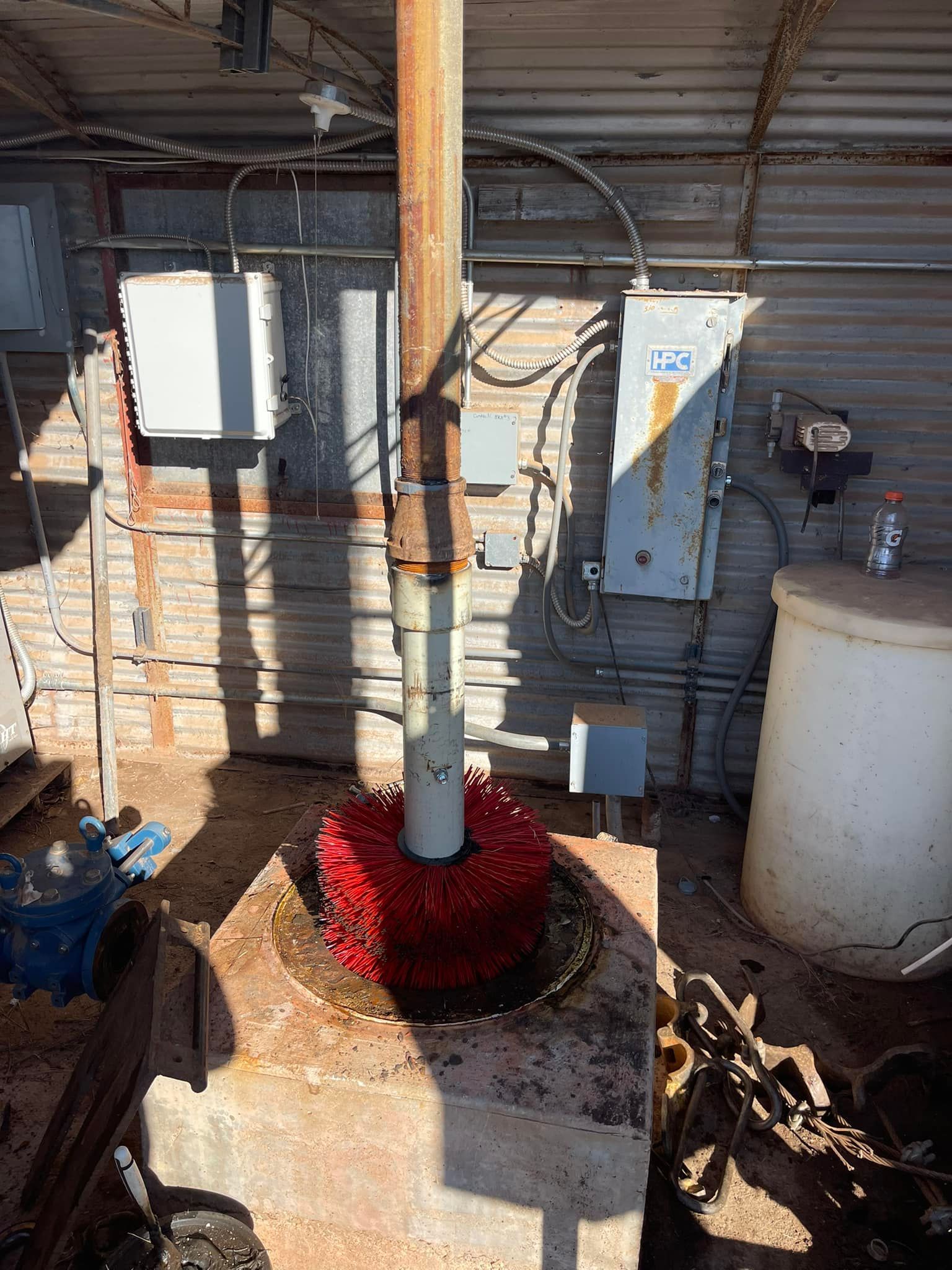
The process begins by pulling the pump and inspecting the casing and screen for visible buildup or damage. Technicians then use brushes, surge blocks, and chemical treatments to break up and remove deposits that restrict flow, working from the top of the water column down to the screen. Acidizing treatments dissolve mineral scale, while mechanical surging dislodges packed sediment and forces it into suspension so it can be pumped out.
Schedule rehabilitation when your well shows declining performance but the casing and screen are still structurally sound and worth restoring.
Removing Buildup and Improving Water Entry
You receive a well that refills faster during pumping cycles, delivers higher flow rates at the same pump setting, and produces clearer water with less sediment carryover. Technicians measure water levels before and after rehabilitation to document improved recharge rates, and they test pump output to confirm the system is no longer flow-restricted by clogged perforations.
After cleaning, your pump operates within its designed run time, pressure builds more quickly in the tank, and you use less electricity because the motor does not labor against restricted flow. Zar's Pump & Drilling Service also inspects the pump itself during rehabilitation and recommends replacement of worn impellers or damaged housings if the unit has been working against low flow for an extended period.
Rehabilitation is most effective when performed before the well declines to the point of unusable flow. It cannot repair casing failures, collapsed screens, or aquifer depletion, all of which require drilling a new well. If the casing shows significant corrosion or the screen is damaged beyond cleaning, those findings will be documented and alternative solutions discussed.
Understanding Well Decline and Restoration
Landowners in Lubbock often want to know when rehabilitation is appropriate and what results they should expect from the work.
What causes a well to lose flow capacity over time?
Mineral deposits form on the screen and casing walls as water moves through them, and bacterial colonies can develop biofilm that further restricts openings where water enters the well.
How long does well rehabilitation take from start to finish?
Most rehabilitation jobs take one full day including pulling the pump, cleaning the well, reinstalling the pump, and testing the system under load.
When should I rehabilitate a well instead of drilling a new one?
Rehabilitation makes sense when the casing and screen are intact and the aquifer still has adequate water, but flow is restricted by buildup rather than structural failure or depletion.
Why does my water turn cloudy or discolored after rehabilitation?
Temporary discoloration occurs because sediment loosened during cleaning takes time to clear from the system, and running the well for several hours will flush remaining particles.
What is the difference between rehabilitation and redevelopment?
Rehabilitation focuses on removing buildup from the screen and casing, while redevelopment involves more aggressive methods such as high-pressure jetting or explosive techniques used primarily in commercial or municipal wells.
Contact Zar's Pump & Drilling Service to evaluate your well and determine whether rehabilitation will restore the flow and efficiency your system needs.