
Matching the Right Pump to Your Water Needs
Pump Installation in Lubbock for wells requiring new systems or upgrades to meet household, irrigation, or livestock demands
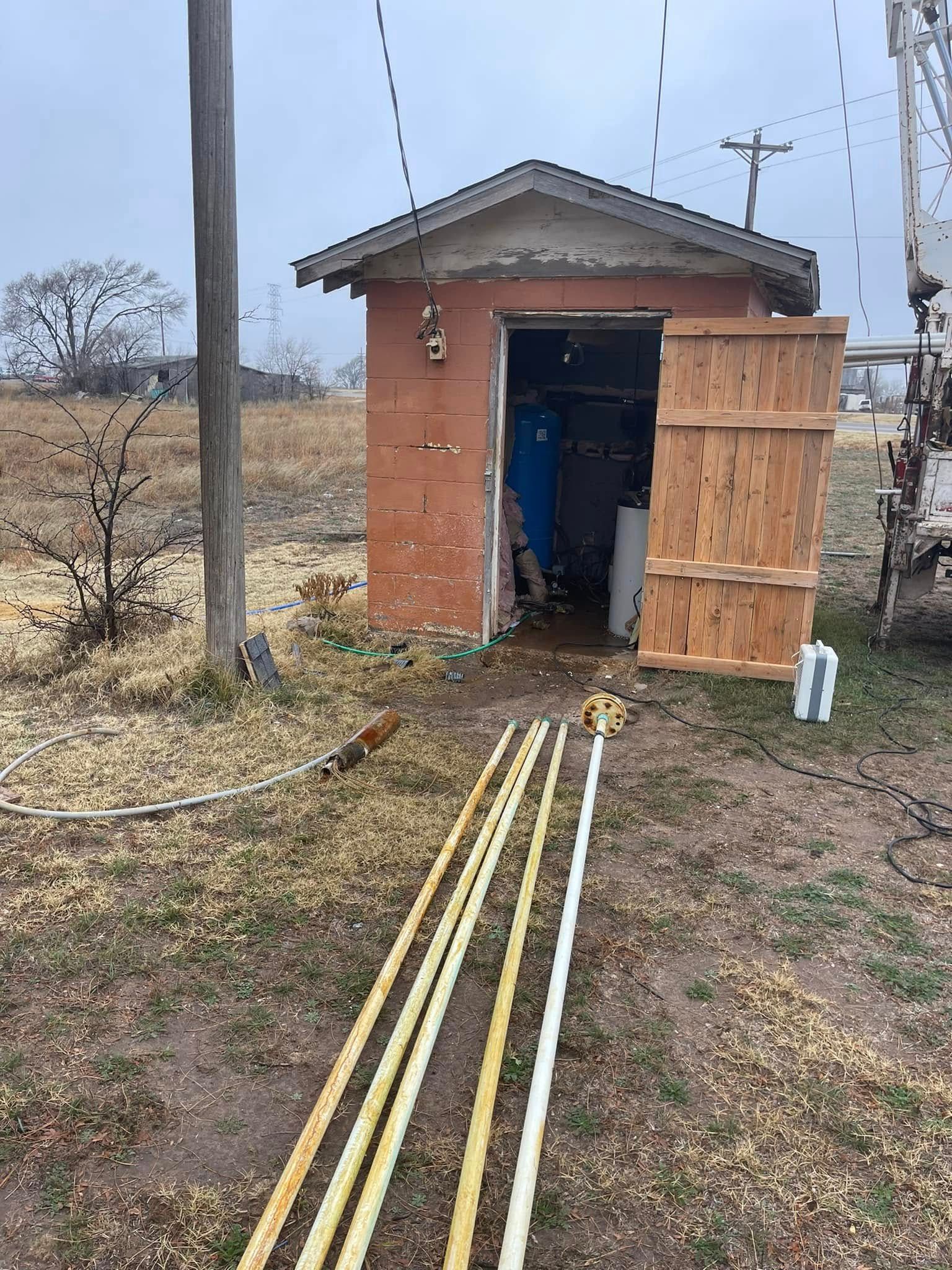
Zar's Pump & Drilling Service installs pump systems for residential, agricultural, and ranch wells throughout Lubbock and surrounding areas, ensuring each system matches the depth, yield, and usage requirements of your property. You might need a new pump if you recently drilled a well, your existing pump has failed beyond repair, or your water demands have increased due to home expansion or additional irrigation zones. The pump type and horsepower depend on well depth, water table level, and how much water you need at any given time.
Submersible pumps sit below the water line inside the well casing and are common for deeper wells, while jet pumps mount above ground and work well for shallow water tables. In Lubbock, most residential wells use submersible models due to typical depths and the need for consistent pressure. Agricultural installations often require higher flow rates and more robust motors to supply pivot systems, stock tanks, or multiple irrigation lines simultaneously. Proper installation includes setting the pump at the correct depth, wiring the motor to a control box with appropriate overload protection, and connecting pressure tanks and piping to deliver water to your home or field.
If you need a new system installed or want to upgrade from an older pump that no longer keeps up with demand, contact Zar's Pump & Drilling Service to review your well specifications and water usage.
What Changes After a New Pump Goes In
Once the pump is installed and running, you will notice immediate improvements in water pressure and flow consistency at every tap, hose bib, or irrigation head. The pressure tank cycles smoothly, maintaining steady delivery without rapid on-off cycling that wears out components. Hot water heaters, washing machines, and irrigation controllers function as designed because the pump supplies adequate volume and pressure without hesitation or sputtering.
Zar's Pump & Drilling Service tests the system after installation to confirm the pump delivers the intended gallons per minute and that all electrical connections, pressure switches, and control settings operate correctly. You will see the control box mounted near the wellhead or inside a utility area, with clear labeling and breaker protection. The system should run quietly, start reliably, and shut off automatically when demand stops, with no leaks at pipe joints or tank connections.
Professional installation prevents common issues such as incorrect pump depth causing cavitation, undersized wiring leading to motor burnout, or improper pressure switch settings that cause short cycling. The system is designed to run for years with minimal intervention, provided the pump was matched correctly to your well and usage patterns. If your current pump struggles to fill the pressure tank, takes too long to recover after heavy use, or trips breakers frequently, replacement with a properly sized unit restores normal operation.
Common Questions About Pump Selection and Setup
Choosing and installing the right pump involves several factors specific to your well and property. These answers address the most common concerns for homeowners and agricultural clients in Lubbock and surrounding areas.
How do you determine which pump type fits your well?
The decision depends on well depth, static water level, and how much water you need per minute. Submersible pumps handle deeper wells and higher flow rates, while jet pumps work for shallower systems with lighter demand.
What size pressure tank should accompany the pump?
Tank size depends on household or irrigation demand and how often you want the pump to cycle. Larger tanks reduce wear by allowing longer intervals between pump starts, which is especially useful for agricultural systems with variable draw.
Why does horsepower matter when selecting a pump?
Higher horsepower moves more water and can lift it from greater depths, but oversizing wastes energy and increases upfront cost. The pump must match your well's yield and the vertical distance from water level to delivery point.
When should you consider upgrading an existing pump?
Upgrade if your water usage has increased, the pump no longer maintains consistent pressure, or the motor has been repaired multiple times and is nearing the end of its service life. Older pumps also tend to be less efficient than newer models.
What happens during installation to ensure the system works correctly?
The crew lowers the pump to the specified depth, connects electrical wiring through the control box, installs the pressure tank and switch, then tests the entire system under load to confirm pressure, flow, and automatic shutoff all function as intended before leaving your property.
If you are ready to install a new pump or need guidance on system sizing for your well and usage, reach out to schedule an evaluation and receive a detailed estimate for equipment and installation.